In the fall of 2021 we took a good look around the famed Barnegat and Little Egg Bay’s while on a new product photo shoot for the niche outdoor clothing and accessories company Atlantic Rancher. Founder Engle Saez and I have a long nurtured and enamored love of the bay area having fished her waters and gunned her shores for the majority of our lives from Beach Haven. Our love of the outdoors and the sporting life was seeded here. The natural beauty and abundance of opportunities to learn from her many local characters whose life stories are woven in the rich heritage of the bay, estuarial river and creek outfalls with their cedar swamps and sweeping meadows that all lead offshore to the bordering Atlantic but lie behind the fragile sandbar that is Long Beach Island.
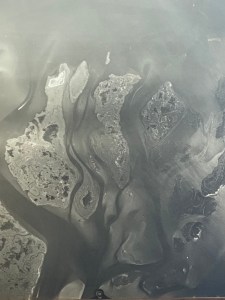
Little Egg Bay Islands
The Barnegat and Little Egg Bays have a long and storied history on the eastern seaboard. Separated only partially by a series of islands that create the causeway to Long Beach Island. These bodies of water play an important role in the mid-Atlantic coastal ecosystem. Recognized as an estuary of national significance, the Barnegat and Little Egg Bays are one of only 20 estuaries on the National Estuary Register. The greater Barnegat Bay Watershed provides prime habitat including pine barrens, maritime forests, salt marshes, eelgrass beds, marsh islands and barrier islands.
Starting in the north at Bay Head, the Barnegat Bay is fed by a series of rivers and creeks. The Metedeconk River, Kettle Creek, Toms River, Cedar Creek, Forked River, and Oyster Creek all feed into the bay and have a significant impact on the health of the bay. To the south, the Little Egg Bay is fed by Cedar Run, Dinner Point Creek, West Creek, Parker Run, Tuckerton Creek, and a series of smaller feeder creeks all along the mainland marsh.

This varied, complex geography and ecosystem create a myriad of opportunities. Anglers, bird watchers, hunters and commercial enterprises such as clamming, crabbing and oyster farming on the bays are all possible with healthy water. These estuaries are the nursing grounds for so many fish, shellfish and bird species that have played a vital role in shaping and preserving a good deal of the local culture. Of course the flush of salt water from the Barnegat, Beach Haven and Little Egg inlets are critical to water health and fisheries biomass in the bays.
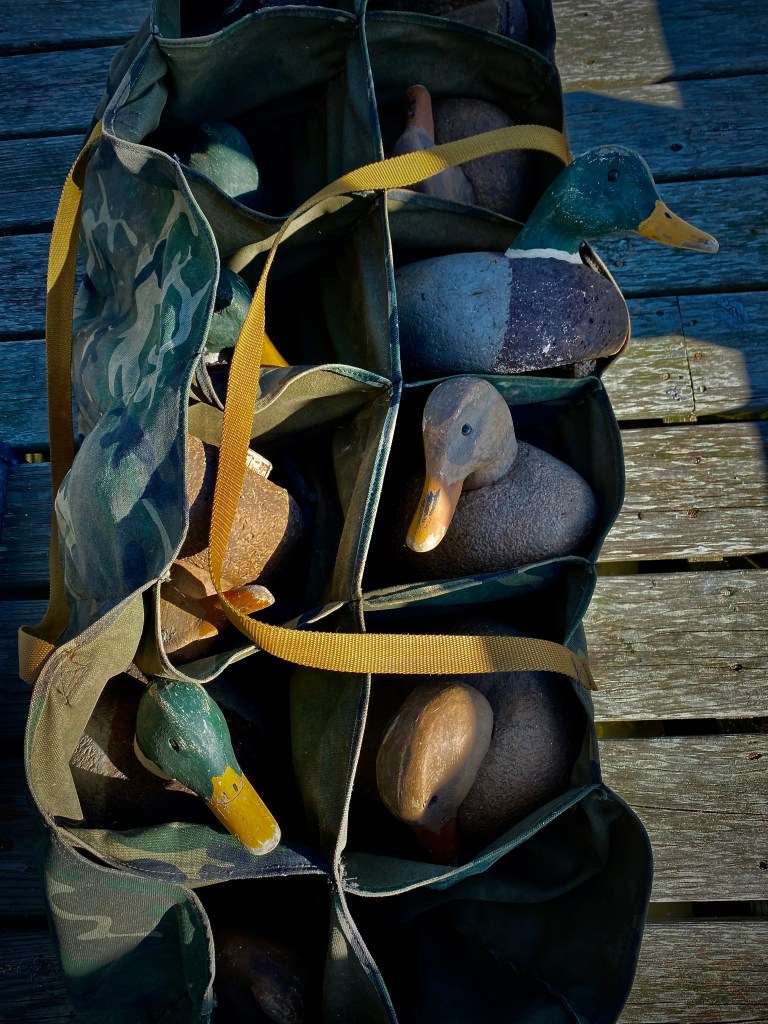
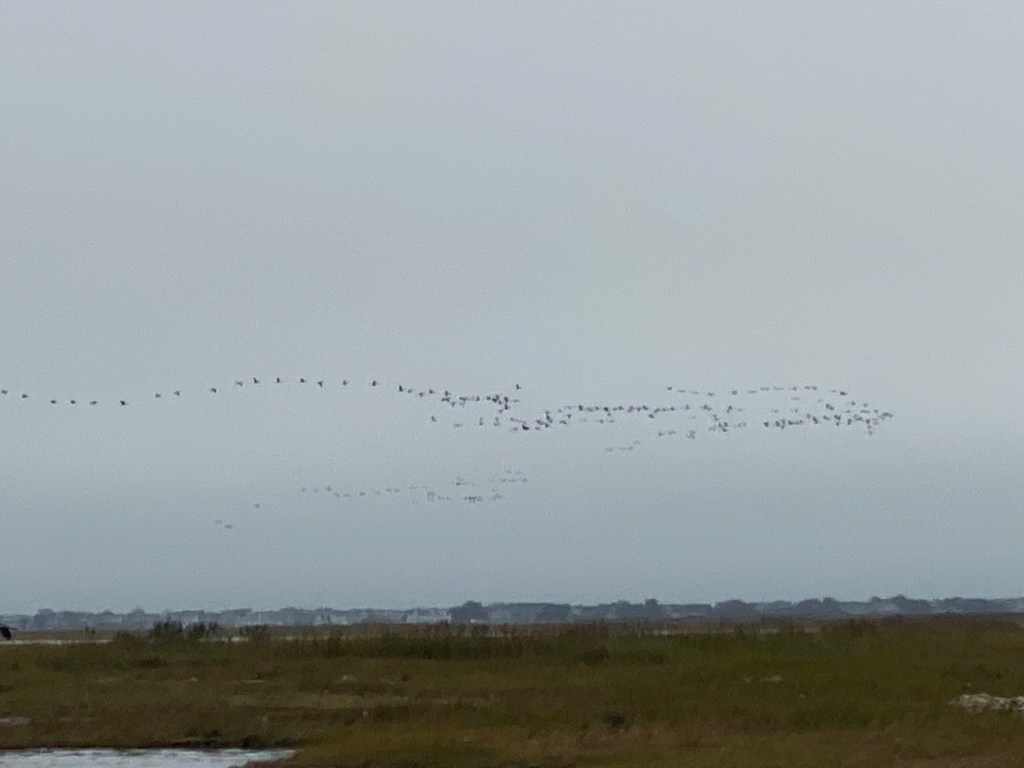
The spring and summer months offer anglers opportunities with flounder, weakfish, bluefish and blowfish. The striped bass takes center stage from September thru Christmas for anglers in the bay, along the surf and offshore. Duck hunters prepare their decoys, gunning boxes and boats in anticipation of the annual migration of the Atlantic Flyway bringing flocks of brant, black ducks, broadbill, geese and a host of puddle ducks. The seasons bring change and a refreshing set of pursuits for the sportsman with each season.
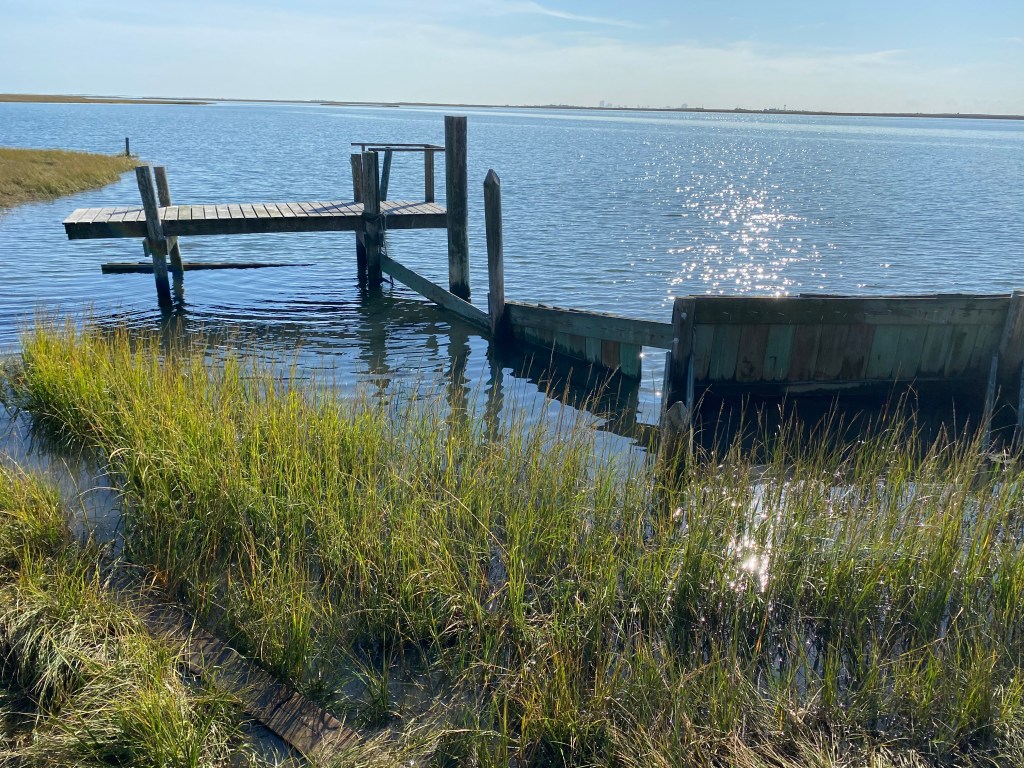
Arguably the best time of year starts in late August with the first nor’west fronts. September brings clear blue skies, milder temperatures and a refreshing calm after the frantic bustle of summer tourist season. There is great relief with the retreat of the heat and the sharp sting of the greenhead fly! The tides ebb and flow with a greater volume of water than in other months. The spartina grass begins its shift from bright green to muted green yellow on the islands and mainland marsh. Bay heather lights up the verdant scene with its colorful lavender flowers. Autumn is a most enchanting time in these bays.

Long known as a sportsman’s paradise through its proximity to Philadelphia and New York. Local baymen were guides for the sportsman clamoring to the area to sample the bountiful fishing and hunting. Attracting the top writers and artists back in the 1920’s, 30’s and 40’s such as Van Campen Heilner, Lynn Bogue Hunt, Philip Wylie, S. Kip Farrington and famous sportsman such as Babe Ruth, Lou Gehrig and many others only cemented the legacy of the area for the ages.
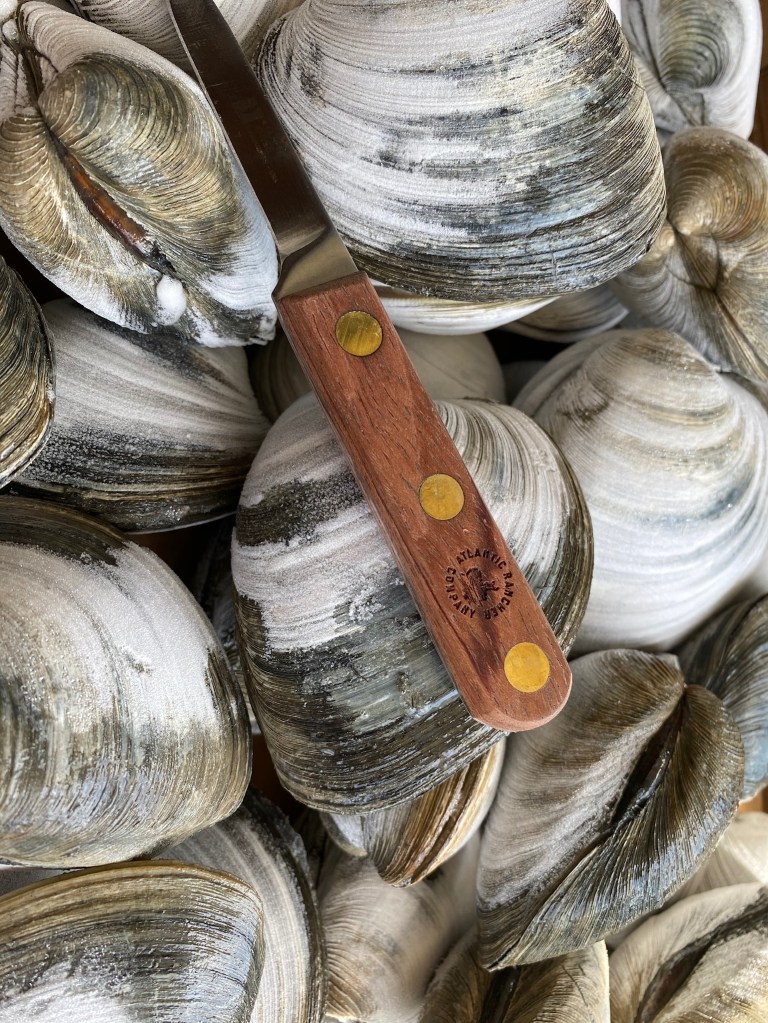
In the mid to late 1800’s oysters and clams were the mainstay of the local economy. Over harvesting and environmental pressure decimated oyster populations and the industry collapsed. Today, there is a renaissance happening to not only bring back the local culture of the bayman but to create sustainable fisheries, a healthy water shed and a rebirth of a once flourishing shellfish industry through mariculture and bay farms. Since 2017 when two oyster farms were operating there are now over twelve farms from Pt. Pleasant to the Little Egg Inlet. Along with that are numerous clam leases and a couple purposely deployed oyster reefs. Considering a lone oyster can filter up to 50-gallons of water a day, these farms and reefs are huge contributors to water quality and the bay ecosystem health.
There are three main components to the revival of the bays. Checks and balances on development and over development along with farmers working a commercial enterprise utilizing leases from the state to grow oysters and clams then harvest them for consumption is a large part of restoration. The final component is the man-made reef building of oyster reefs to maintain and improve water quality and habitat.
For fifty years the Save Barnegat Bay organization has been involved with the health of the bay. Through resisting aggressive development, championing the conservation of open spaces in their natural state and by working to help address the many issues that adversely affect the bay and the greater watershed. Their lengthy tenure in the arena has given them a certain expertise in working with governmental agencies, academics and a host of other involved organizations to benefit the bay.
Executive Director Britta Forsberg sums it up best “Everyone plays a role in the health of the bay. Home owners, anglers, boaters, tourists, developers all need to be aware that their footprint is on the bay. Through education and advocacy we hope to continue to have a positive impact on the watershed and directly in the bay. Working together with other organizations and interested parties we can all have a seat at the table to work towards a cleaner, healthier bay through legislation and prudent stewardship.”
The oyster farmers and clam growers have a multilayered mission. The daily grind of producing a quality product from farm to table has many beneficial layers. In the farms on the bay it takes roughly 2 years to bring an oyster to market. During that time the oyster filters an incredible amount of water. With a large farm growing thousands of oysters, the impact on water quality is evident. Another benefit of farming oysters is the ability to use them to form a barrier reef to mitigate boat wake and wind driven waves from beating shorelines of diminishing marsh islands.
The increased structure creates habitat for a wide variety of fishes, crabs, snails and other marine life. The more habitat, the greater the biodiversity which helps create biomass of many species in the bay. State environmental offices have been slow to approve leases and get these folks and their gear on the water. Recently agencies have recognized these many perks and react quicker to get the leases and studies working to benefit our waterways.
Reclam the Bay is an active non-profit organization whose all volunteer membership role up their sleeves and put their slickers on to get the work done. They grow seed clams and oysters to be deployed into the bay on a somewhat small scale. Using tables known as upwellers as nurseries with water pumped from the bay to get the seed started gives the nursery seed oxygen, sunlight to grow and protection from predators

Reclam President Rick Bushnell explains, “Our primary function is teaching. We started with a motto of ‘Restoration through Education, Education through Restoration’ so we are using growing clams to put more clams in the bay. We can learn what conditions they will live best in. Then what services it provides, it filters water, takes algae out of the water, makes clearer water which is good for eel grass, making it good for among other things scallop growth and we get to learn about that. Also the living shoreline work we do by setting spat on whelk shells to grow the oysters for shoreline protection also creates habitat so when we go back to an area where we have larvae growing on shells we find mud crabs, little flounder and a host of other animals that find the cracks and crevices of the oyster reef perfect for them.”
The final part is two pronged. With the resurgence of the oyster bar and folks having access to more menus featuring oysters, used shells produced by restaurants pile up quickly creating a waste situation. Enter Angela Andersen, Sustainability Coordinator for Long Beach Township, NJ. on Long Beach Island. Angela with approval from Mayor Joe Mancini created a program known as Follow the Shell. With a host of local restaurants participating, underwriting for the program from the Jetty Rock Foundation, the Township purchased a truck and picks up the discarded shells taking them to Parson’s Seafood in Tuckerton. As Angela says, “This is the hardest, simplest thing to do.”
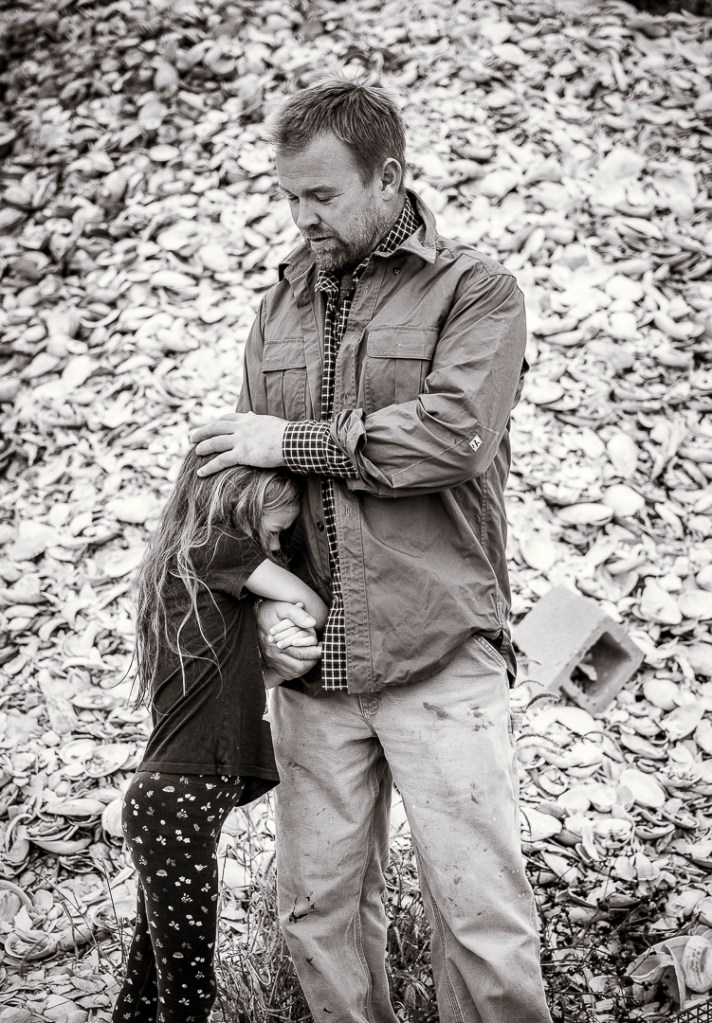
Dale Parsons is a fifth generation bayman who’s commitment to the health of the bay is unwavering. He along with Stockton University’s Steve Evert who is the Director of Marine Field Stations for the school had the idea to create a reef. They put together a proposal for a grant that was funded by the Barnegat Bay Partnership in 2016 to deploy 2 acres of remote set oysters on a site in the Little Egg Bay. Parsons does the aquaculture work and Stockton the Science work. The program is growing today under the guidance of Stockton professor Dr. Christine Thompson.

At Parson’s facility, the process known as remote set takes place. Shells are cleaned and stored until it’s time to set the larvae, known as spat, on the shell. Parsons uses large tanks, with water pumped from the bay and puts the shells in bags or cages and adds the spat that comes from a hatchery to the tanks. It takes about two to three weeks for the spat to take hold and grow enough for the next stage, usually 4-6mm long. Once the spat is set, the bags and cages are taken to the site by barge so Parson’s can deploy them on the Tuckerton Reef.
Since 2017 the reef has grown to over four acres in size with a noticeable increase in natural production of spat. Some coming from the oysters on the reef and some coming from the oyster farms in the bay themselves. Current funding for the project is through a state DEP grant based on water quality improvements. The state DEP is also funding a shoreline restoration project for the American Littoral Society in the northern bay at Forked River. These projects are vital to the health of the bay and are excellent examples of creating habitat and improving water quality.
Our coastal waterways went through a crisis of pollution pressure in the last century. With the passing of the Clean Water Act in 1972, federal and state agencies have been able to study and work on solutions to a myriad of problems. Industry had to clean up their act. Non profit organizations and private businesses such as the oyster farmers have all added to the process of improving water quality not only in the Barnegat Bay region, but throughout the coastal regions of the United States. Using the models created here and from other regions there are good things happening for our fisheries and marine industries. Although there is always more work to be done, it’s good to know that there are folks doing the work and producing results.
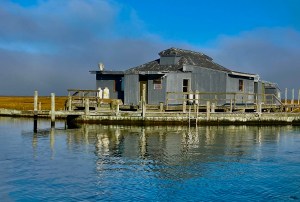
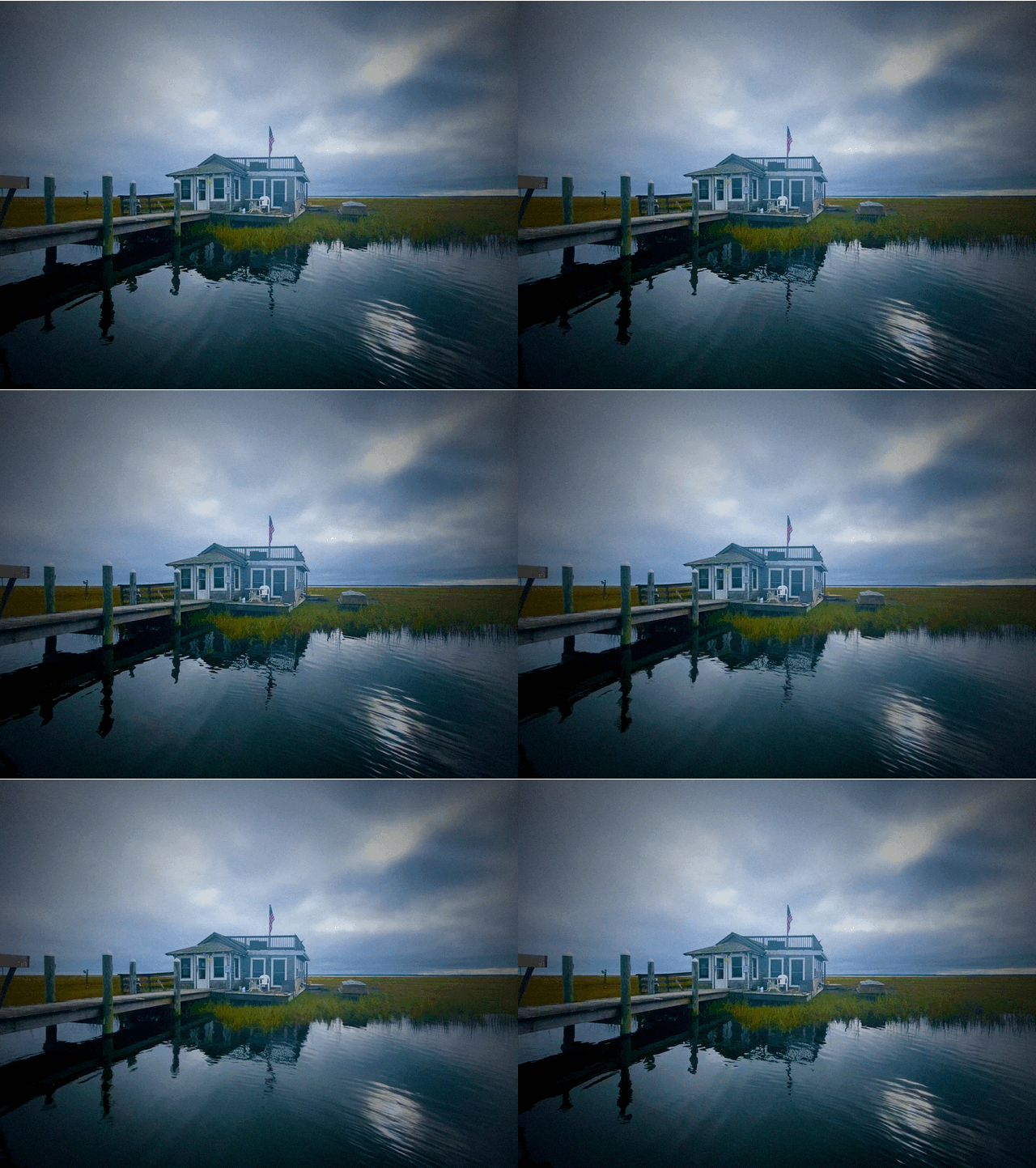
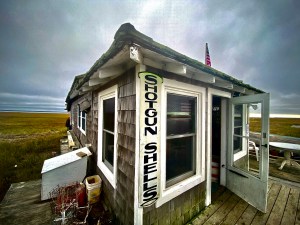
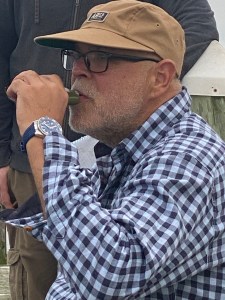
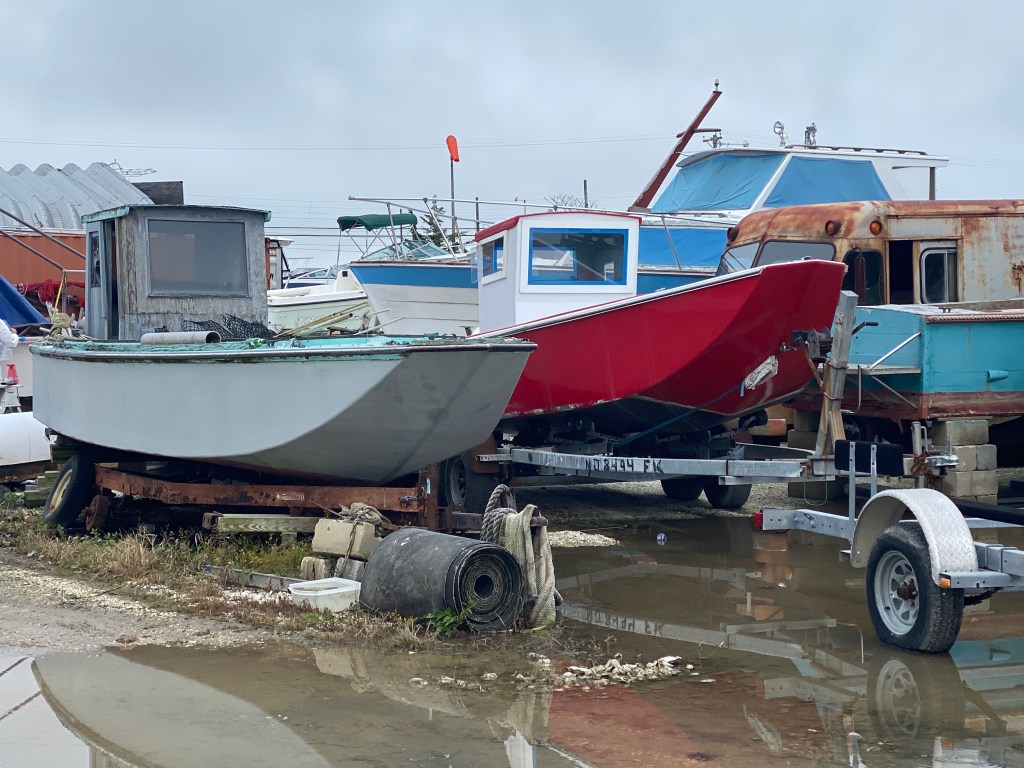
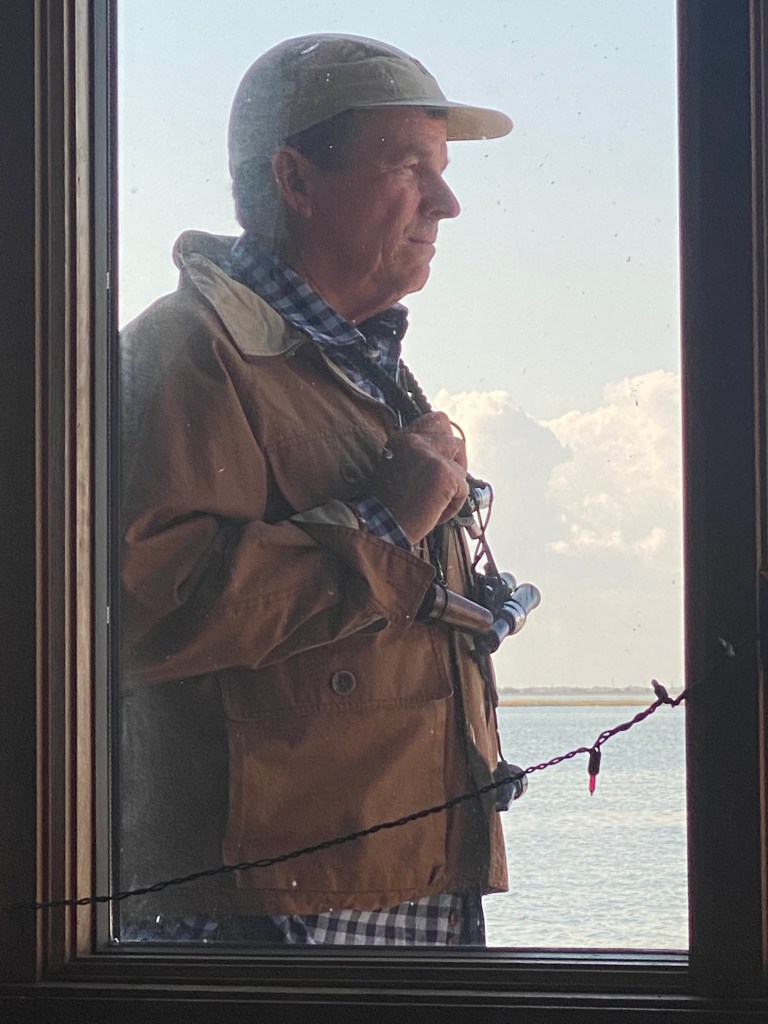
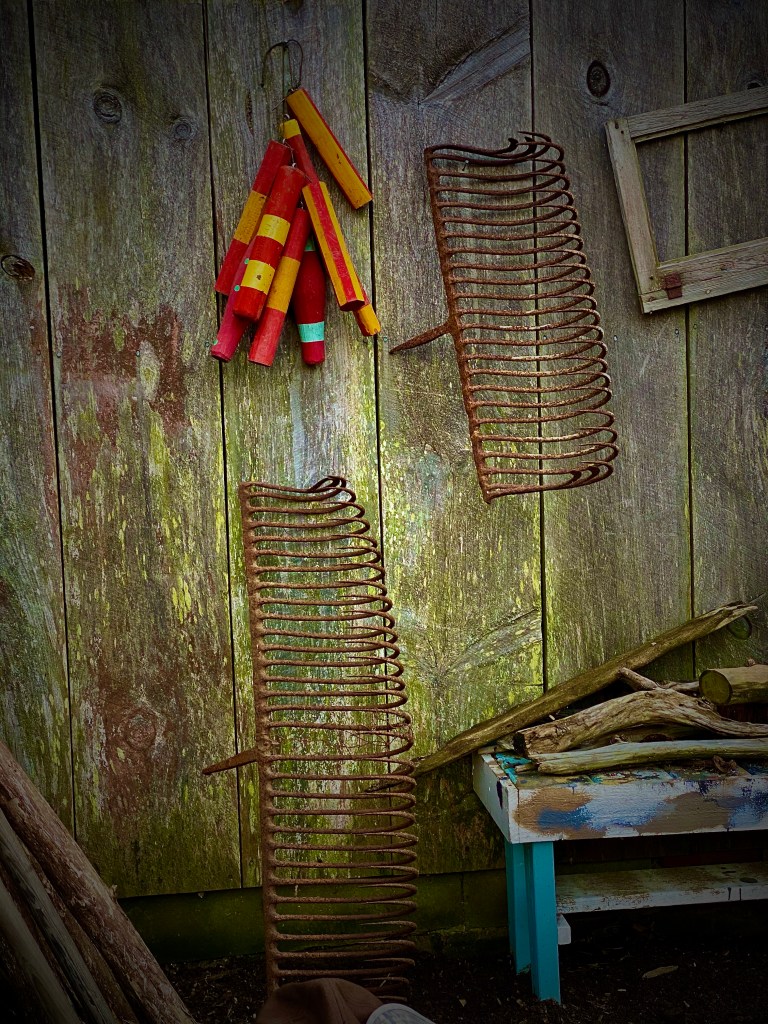
We roamed the bays and found many picturesque backdrops for Atlantic Rancher photography. The aged yet still active gun clubs shacks of our friends, the oyster farms and clam beds, sedge islands, winding mainland based creeks and the backwaters of Beach Haven we found our love of what we will always consider home and Haven to be just as keen as ever, if not more so in retrospect. The memories of a good cold ‘norwester with black ducks lighting in the hand carved decoys, bouncing on the bar and hooking a nice striper while fishing the inlet white water, enjoying a cold beer on a summer fluke drift and on those long warm summer days returning from the canyon with marlin and tuna flags flying in the rigger coming up the bay all flooded our memories. Stories of Uncle Jack and Piney Parker, Dick Ryon, Bob Gaskell, Joe Bossard, Diz Howe, Kinky Pharo and so many others were happily recanted and once again committed to memory to be passed on to anyone who will listen. It was a great week to tell the story of Engle’s products made from a lifetime at sea and it all started here.
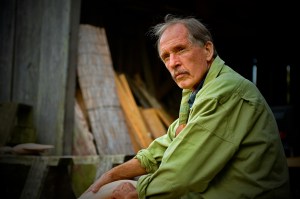
 Capt. Karl Anderson